
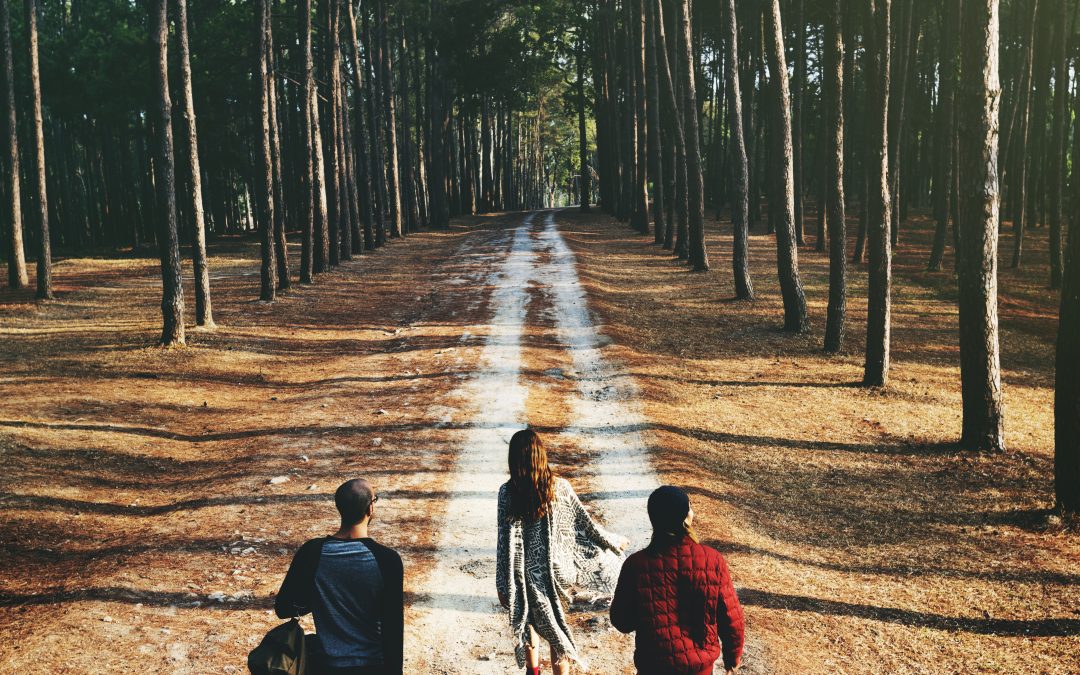
What if a walk in the woods wasn’t about covering distance but about entering a different state of being? That is the essence of forest therapy walks at Serenity Ridge Nature Preserve. These guided experiences invite people to slow down, notice the details often overlooked, and allow the forest itself to set the pace. Whether it’s the sound of wind through branches or the cool texture of moss, the forest becomes a companion in reflection.
What Forest Therapy Means
Forest therapy, sometimes referred to as shinrin-yoku or forest bathing, began in Japan in the early 1980s as a public health practice. The Japanese Ministry of Agriculture, Forestry, and Fisheries introduced it as a way to reduce stress and improve overall wellness in increasingly urban lives. Since then, the practice has spread globally.
At Serenity Ridge, guides trained in this method offer gentle invitations rather than strict instructions. Participants may be encouraged to notice how sunlight filters through the leaves, to walk slowly while listening for birds, or to pause at a tree that seems to draw attention. These small shifts help foster calm awareness without pressure or expectation.
Why Serenity Ridge Provides a Unique Setting
The preserve itself creates an ideal environment for forest therapy. It’s 1,400 acres encompass a diverse range of habitats:
-
Woodlands with oak and hickory trees that shelter songbirds and deer
-
Wetlands where cattails and frogs thrive in seasonal rhythms
-
Meadows filled with wildflowers and butterflies across spring and summer
-
Quiet glens where dappled light softens the forest floor
Because the land is protected, it maintains a sense of vitality. Wildlife flourishes, and the trails offer immersion without the noise or crowds found in more developed parks. Visitors often describe the preserve as both expansive and intimate—a place where nature feels alive yet accessible.
The Rhythm of a Walk
Forest therapy walks at Serenity Ridge generally last two to three hours but cover less than a mile. The emphasis is not on reaching a destination but on deepening awareness. A typical walk includes:
-
Arrival and Orientation – The group gathers and the guide introduces the practice, often beginning with grounding in sound, breath, or body awareness.
-
Invitations – Participants receive open-ended prompts such as, “Notice something that catches your attention,” or “Spend a few minutes listening to layers of sound.”
-
Sharing Circles – The group pauses at intervals to reflect on what they noticed. These moments are optional, simple, and supportive.
-
Closing Ritual – Walks often conclude with tea brewed from locally gathered plants, marking a collective expression of gratitude.
This structure blends private reflection with community presence, offering both solitude and shared connection.
Why It Works: The Science of Forest Therapy
The practice may feel intuitive, but scientific research explains much of its impact. Studies have shown measurable benefits:
-
Lower cortisol levels – Regular time among trees reduces the stress hormone linked to anxiety.
-
Improved cardiovascular health – Gentle movement and fresh air can lower blood pressure and heart rate.
-
Boosted immunity – Phytoncides, natural compounds released by trees, have been linked to increased activity of immune cells.
-
Psychological balance – Participants often report reduced symptoms of depression and anxiety, along with greater focus and creativity.
Researchers point to both physical and psychological reasons. Breathing forest air introduces beneficial compounds, while stepping away from screens and constant stimulation allows the nervous system to reset.
More Than a Slow Hike
Hiking and forest therapy share some similarities, but their goals are different. Hiking often emphasizes distance, elevation, or speed, while forest therapy emphasizes presence. Progress is measured not by miles but by how fully the senses engage.
Someone might spend half an hour listening to the changing rhythm of a stream. Another might sit quietly against a tree, noticing the way sunlight shifts through branches. Both are considered meaningful parts of the walk.
A Balance of Solitude and Community
Even though the walks are guided, they leave space for individual experience. Some participants feel a strong sense of solitude, absorbed in what they notice personally. Yet the group element gently strengthens the practice.
-
Reflections resonate – When one person shares how they noticed the movement of leaves, others often nod in recognition.
-
Silent companionship – Being quiet together deepens the experience without requiring words.
-
Shared gratitude – Closing tea circles brings participants back together in stillness and appreciation.
This balance helps visitors leave with both inner calm and a sense of belonging.
Seasonal Changes at the Preserve
No two walks at Serenity Ridge feel the same. The forest shifts dramatically across the seasons, offering different experiences:
-
Spring – Wildflowers emerge, and birds fill the air with calls.
-
Summer – The canopy provides shelter from heat, while insects add their hum.
-
Autumn – Vibrant colors transform the forest, and the sound of fallen leaves creates a steady rhythm.
-
Winter – Bare trees reveal the contours of the land, with quiet stillness settling across the preserve.
Many visitors return throughout the year, drawn by the way the forest continues to change and surprise.
Forest Therapy and Conservation
Personal renewal is one outcome of forest therapy, but there is also a broader effect. When people feel the forest as a place of healing, they often develop a deeper sense of responsibility toward its protection. At Serenity Ridge, this connection supports the preserve’s conservation mission.
Guided walks remind participants that they are part of a living community of trees, streams, and wildlife. This perspective encourages stewardship, helping ensure the forest continues to thrive for future generations.
Preparing to Join a Walk
Attending a forest therapy walk requires no special gear or training. A few practical tips can help:
-
Wear comfortable shoes suited to gentle trails.
-
Dress in layers to adjust to changing weather.
-
Bring water, though the pace is leisurely.
-
Leave phones behind or switch them off to minimize distraction.
Accessibility matters as well. Many walks are designed along trails suitable for those with limited mobility, so participants of different ages and abilities can take part.
Why Many Choose to Return
People often return for multiple walks, not because they missed something, but because each experience feels unique. Weather, season, and personal state of mind shape what unfolds.
-
A clearing may look ordinary one month, then glow with wildflowers the next.
-
A familiar trail might reveal new birdsong after migration.
-
Returning regularly creates a sense of relationship with the land, much like visiting an old friend.
This ongoing quality makes forest therapy a practice rather than a single event.
Closing Thoughts
Forest therapy walks at Serenity Ridge Nature Preserve offer more than relaxation. They provide a way to slow down, notice deeply, and build connection—with oneself, with others, and with the living world. In a culture that often values speed, the preserve offers something gentler: a reminder that renewal can come simply by being present with the trees.