
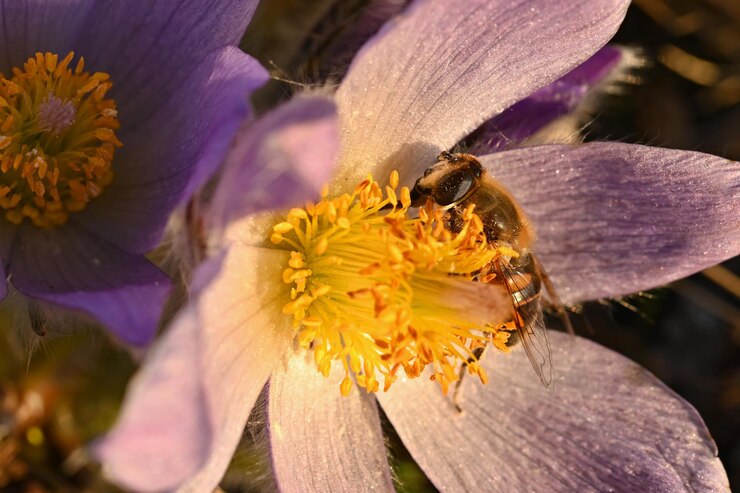
Pollinators are small in stature but outsized in impact. Bees, especially, are central players in many local ecosystems. Beekeeping as a keystone for local conservation work reflects a shift in how conservationists approach ecological restoration—not just by restoring habitats, but by introducing species that actively support the regeneration of native landscapes. This isn’t only about producing honey; it’s about nurturing the resilience of entire ecosystems.
How Bees Strengthen Local Biodiversity
Bees are indispensable to the pollination process, particularly in native ecosystems where many plants rely on insect pollinators to reproduce. This service underpins the stability and regeneration of diverse plant communities. By extension, these plant communities support herbivores, predators, seed dispersers, and decomposers.
In practical terms, conservation-oriented beekeeping:
- Increases seed production in native wildflowers and grasses.
- Encourages plant diversity, reducing monoculture dominance.
- Creates richer habitat layers for insects, birds, and small mammals.
In restored or preserved areas, this can mean the difference between a planted landscape and a self-sustaining one.
Apiaries as Tools of Restoration
Many restoration projects begin with native planting or invasive species removal. However, without pollinators, newly planted native species may struggle to propagate naturally. Beekeeping enhances this process by closing the loop—ensuring that these plants can successfully reproduce year after year.
Apiaries function as more than bee colonies. They become living, functional tools in land management, offering benefits like:
- Accelerated wildflower spread through effective pollination.
- Data collection opportunities through hive monitoring.
- A stable platform for tracking seasonal flowering patterns and insect behavior.
For preserves that manage a mosaic of meadows, woodlands, and transitional habitats, bees become natural allies in ecological stewardship.
Hives as Ecosystem Indicators
Beehives offer a real-time pulse on environmental conditions. Notably, changes in hive health or foraging behavior can indicate broader ecological shifts. For example, if bees begin venturing further afield or return with less pollen, it might suggest that local plant diversity has declined or that environmental stressors are affecting plant health.
Key insights from hive monitoring often include:
- Nectar scarcity points to poor plant bloom timing.
- Reduced foraging activity suggesting habitat degradation.
- Bee stress correlating with nearby pesticide use or climatic extremes.
These observations help conservation managers prioritize field assessments or adjust planting strategies. This isn’t guesswork—it’s data gathered by the bees themselves.
Education and Public Engagement Through Beekeeping
Sustainable Funding Through Conservation-Focused Apiaries
Running a nature preserve requires a mix of mission-driven leadership and practical economics. In this context, beekeeping introduces opportunities for revenue generation that align with ecological principles.
For instance, preserves can develop income streams by:
- Producing and selling small-batch honey labeled with the habitat type (e.g., “Oak Savanna Honey”).
- Offering memberships or sponsorships that support hive maintenance.
- Creating artisan products—like candles or soaps—from beeswax and pollen.
What matters is that these ventures remain aligned with conservation values, avoiding commercial practices that compromise habitat integrity. Even modest revenues can support seasonal staff, educational outreach, or habitat restoration projects.
Balancing Managed Honeybees and Native Pollinators
Introducing honeybees into natural environments does raise valid concerns. Honeybees, while beneficial, are non-native to North America and may compete with native bees for floral resources. Conservation-focused beekeeping addresses this through strategic design and ongoing evaluation.
Best practices include:
- Locating hives away from high-density native pollinator zones.
- Limiting hive numbers to reduce resource competition.
- Enhancing floral diversity to increase forage availability for all pollinators.
Supporting both managed and wild pollinators requires a nuanced approach. By studying seasonal bloom data and bee behavior, land managers can ensure that one population doesn’t displace the other.
Conservation Science Meets Traditional Beekeeping
Why Beekeeping Deserves a Place in Conservation Planning
Beekeeping is not a silver bullet, but in the right context, it becomes a highly valuable tool. When managed thoughtfully, it connects ecological restoration with public education, sustainable funding, and biodiversity support.
In preserves or community-led conservation projects, bees offer:
- A living example of ecosystem interdependence.
- A platform for citizen science and education.
- An adaptive tool for tracking ecological health.
As global biodiversity faces unprecedented threats, integrating active species like bees into conservation plans offers a way forward that is both grounded and dynamic.