
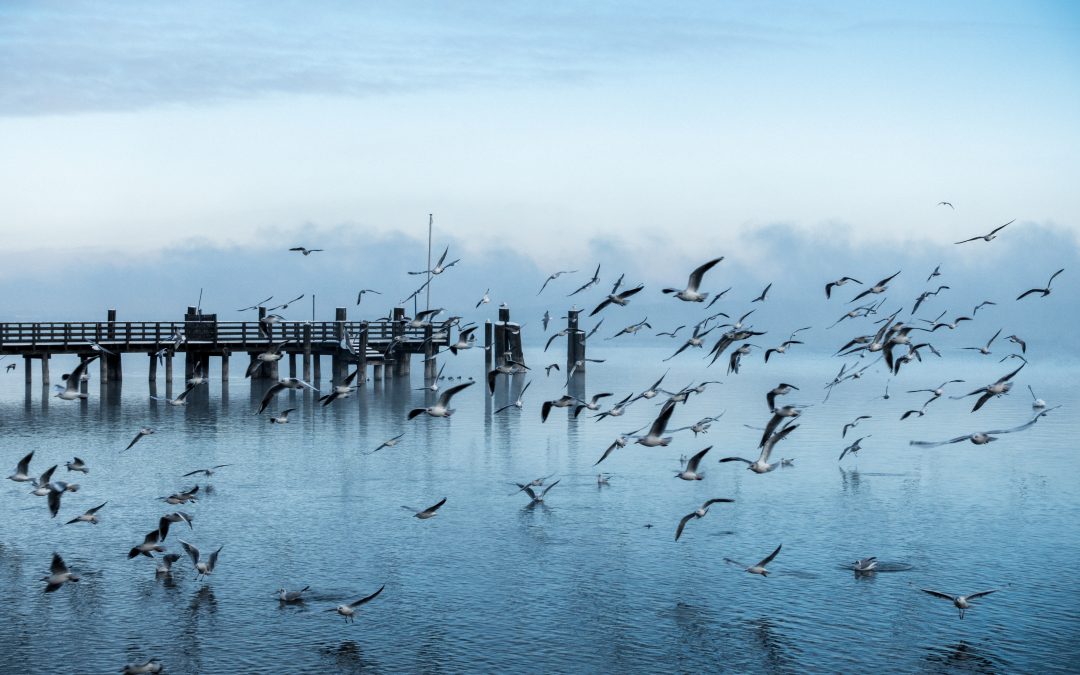
A soft rustling in the trees. A sudden whoosh of wings overhead. For those who tune in, the East Coast offers a front-row view to one of the most captivating natural events in the Western Hemisphere. The best bird migration spots on the East Coast this season provide more than just good views—they offer insight into the urgency and rhythm of life on the move.
The Atlantic Flyway: More Than a Route
The Atlantic Flyway channels millions of birds each spring and fall. This massive migratory corridor spans from the Canadian Arctic to the southern tip of Florida and beyond. What sets it apart is the geographical diversity it crosses—from boreal forests to coastal marshes, inland valleys, and barrier islands.
Migratory species depend on this network of habitats as rest stops. Without them, journeys spanning thousands of miles become impossible. Throughout the East Coast, stopover points offer critical food, cover, and safety, each playing a distinct role in a bird’s seasonal trek.
Cape May, New Jersey: Funneling the Skies
Located at the confluence of the Delaware Bay and Atlantic Ocean, Cape May is an internationally recognized hotspot. Its location naturally concentrates birds following the coast. Every fall, birders gather to witness spectacular movements of raptors and songbirds.
Species like sharp-shinned hawks, peregrine falcons, and black-throated blue warblers can be seen in impressive numbers. Morning flights over Higbee Beach Wildlife Management Area are legendary. The best window? Mid-September through mid-October, when weather patterns shift and birds surge southward.
Mount Desert Island and Acadia, Maine: Rugged and Rewarding
Northern migrants often begin their journey across the East Coast in Maine. Acadia National Park and the surrounding Mount Desert Island are rich in boreal forest species.
Cadillac Mountain offers a sweeping vantage point for spotting broad-winged hawks and sea ducks. Lower elevations bring warblers, thrushes, and vireos into view. Early fall, especially August to mid-September, is the ideal time to visit. The combination of dense spruce forests, coastal inlets, and rocky outcrops makes this a magnet for both birds and those tracking them.
Bombay Hook, Delaware: Salt Marsh Superhighway
Stretching over 16,000 acres, Bombay Hook National Wildlife Refuge is one of the most important shorebird staging areas on the Atlantic Flyway. Its expansive tidal marshes and freshwater pools draw thousands of migrating shorebirds and waterfowl every season.
Expect to see American avocets, dunlins, and greater yellowlegs probing the mudflats. Later in the fall, large flocks of snow geese and tundra swans arrive. Elevated boardwalks and observation towers provide excellent, low-impact viewing. The peak activity occurs between late August and October, depending on rainfall and tides.
Shenandoah National Park, Virginia: Ridge-Top Flyways
While coastal spots often get the spotlight, inland routes like those in Shenandoah National Park are equally vital. Birds migrating along the Blue Ridge Mountains use the ridges to conserve energy, riding thermals and slope updrafts.
Rockfish Gap and Big Meadows are favored spots to observe kettling hawks. Species like broad-winged hawks, northern harriers, and red-tailed hawks pass through steadily from early to mid-fall. Birders also encounter mixed songbird flocks moving through the forest understory, particularly after a front clears.
Congaree National Park, South Carolina: Underrated, Unforgettable
Tucked into the floodplains of the Congaree River, this national park is a haven for songbirds, particularly in spring. Its old-growth bottomland forest—with towering loblolly pines and bald cypress—creates an acoustically rich environment.
Spring migration here means Swainson’s warblers, prothonotary warblers, and yellow-throated vireos fill the forest with song. Late April and early May bring the highest diversity. With minimal light pollution and little ambient noise, the dawn chorus here is immersive and hauntingly beautiful.
Cumberland Island, Georgia: Untouched and Teeming
Accessible only by ferry and devoid of paved roads, Cumberland Island is a rare wilderness along the southeastern coast. It supports critical habitat across maritime forests, freshwater sloughs, and dune systems.
Migrants, including painted buntings, red knots, and ruby-throated hummingbirds, pause here in both spring and fall. Because of its remoteness, the island sees minimal disturbance, making it an ideal resting ground. Spring offers vibrancy and activity, while fall features more subdued, extended layovers.
Interior Preserves: A Hidden Lifeline
While much attention is given to high-profile locations, small inland preserves play a pivotal role. These sites serve as contingency habitats—places where birds stop when coastal winds shift or when food becomes scarce.
Preserves like Serenity Ridge Nature Preserve in Maryland provide:
-
Open meadows rich in native seeds for finches and sparrows
-
Quiet woodlots are ideal for thrushes and flycatchers
-
Riparian corridors that support warblers and vireos
Often overlooked by traveling birders, these preserves act as insurance for migratory species, particularly during unpredictable weather patterns.
When and How to Watch
Migration is dynamic. A quiet day can turn explosive after a single cold front. Knowing when and where to go requires some strategy:
-
Watch the weather: Northerly winds after a front often trigger large movements.
-
Use radar tools: Platforms like BirdCast Migration Forecast Maps show overnight activity and timing.
-
Arrive early: Dawn and dusk offer the best chances for both visibility and vocalizations.
Consistently active spots also rely on microhabitats. For example, edges between forest and meadow or near freshwater see more concentrated bird activity.
Birding Wisdom from the Field
Experienced birders often approach migration with both structure and flexibility. Here’s what they recommend:
-
Stay put longer: Movement often builds slowly; the second hour can be the most rewarding.
-
Focus on behavior: Watching how birds forage, interact, or vocalize often leads to discoveries beyond identification.
-
Use your ears: Especially in early morning or dense foliage, sound becomes your best tool.
Even on seemingly slow days, observing how migrants behave in different habitats adds valuable context to the experience.
Migration as Memory and Motion
The seasonal passage of birds across the East Coast is not simply travel. It’s tradition, instinct, and resilience encoded in wings. A blackpoll warbler, weighing just over a paperclip, might fly 2,000 miles without stopping. Red knots arrive at the exact same Delaware Bay beach year after year, timing their journey to coincide with horseshoe crab eggs.
These are not just natural curiosities—they are biological feats. And they happen each season, often right outside our door.
Whether you stand on a salt-swept overlook, in a quiet swamp, or on a small forest trail inland, you’re witnessing a rhythm that connects continents. And in watching, you take part—not as a spectator, but as a participant in an ancient cycle.