
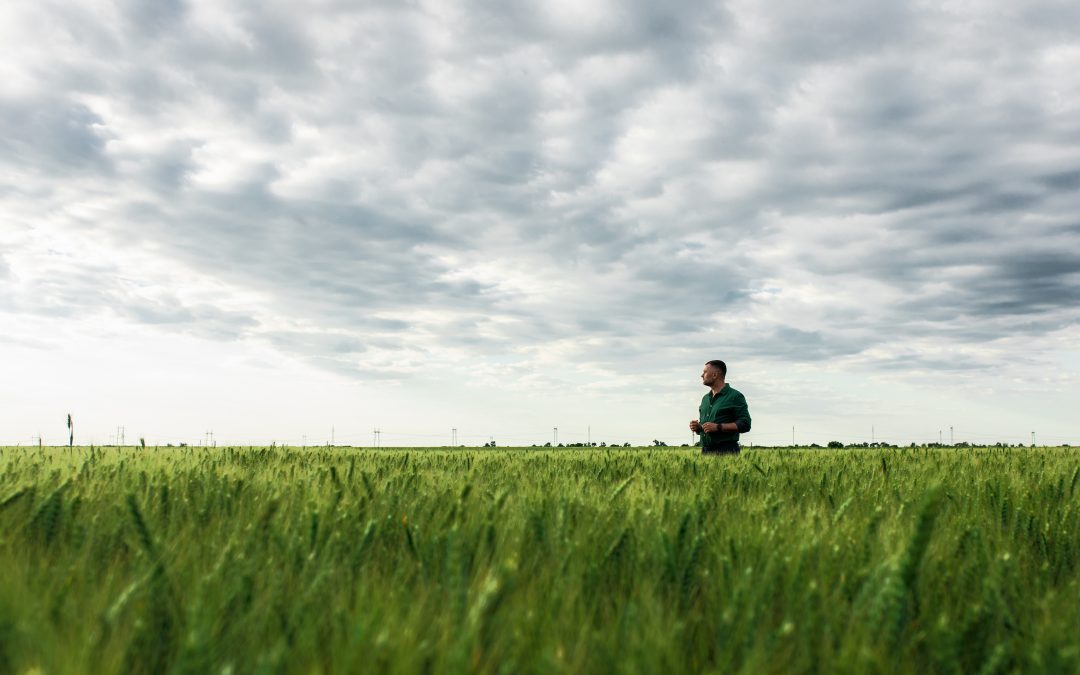
When the horizon you once trusted begins to feel unpredictable, the anxiety built from that uncertainty becomes its own weight. In many of us, the ache for what is disappearing grows alongside a fear of what is coming next. In that space, the idea that preserved land offers healing for climate anxiety and grief becomes less a metaphor and more a lifeline. When climate news leaves you disconnected from the world beneath your feet, land that has been cared for and allowed to breathe gives you something different—a chance to pause, feel grounded, and simply be.
Why Climate Grief Runs Deeper Than News Coverage Explains
The emotional layer of eco-distress
Eco-anxiety describes more than worry about the weather. It captures the helplessness, sadness, and dread that come from witnessing environmental change while feeling powerless to stop it. A systematic review found consistent correlations between eco-anxiety and symptoms of depression, anxiety, and psychological distress. Researchers observed that even without direct exposure to environmental disaster, many individuals experience chronic grief over what is being lost—and what may still disappear.
Why solutions-only frameworks fall short
Efforts focused on action—recycling, advocacy, reducing emissions—serve an important role, but they don’t always reach the emotional core. A 2023 study revealed that higher knowledge of climate science often increases personal distress when people lack outlets for emotional integration. Grief, unlike fear, doesn’t need to be solved. It needs space to be felt, named, and carried.
What the Body Knows in Wild, Preserved Places
Natural rhythms that regulate the nervous system
Our bodies are wired to notice safety and rhythm. Natural environments—especially those untouched by manicuring or development—give the body different messages than city spaces do. Studies show that people who feel a strong connection to the natural world report lower psychological distress, even while maintaining high awareness of the climate crisis. The Frontiers in Psychology study found that nature connection moderated negative emotional responses. In short, the presence of trees, soil, birdson,g and open air gives our nervous system cues that restore calm without requiring denial.
The difference between designed green space and wild land
City parks and curated gardens are good for short-term relief, but they still carry the marks of human control. Wild land, by contrast, invites humility. There’s no sign telling you what to think, no pavement guiding your next step. The unpredictability of it—leaf litter, tangled roots, silence—asks something else from you. It offers space where your internal weather is not out of place.
Why Is Preserved Land Different From a Regular Park?
Answer: Because preserved land offers emotional steadiness and layered meaning over time, not just a temporary escape from stress.
Continuity in a world that keeps changing
Preserved land sends a subtle but powerful message: this place will be here tomorrow. That continuity, in the face of so much loss, becomes anchoring. Unlike urban parks that may be developed, rerouted, or restricted based on budgets, conserved land represents a different kind of promise. For someone living with climate grief, that promise can feel like solid ground beneath uncertainty.
Depth and complexity as emotional mirrors
Preserved places are not pruned for symmetry. They hold old growth and new shoots, erosion, and expansion. That messiness is not just ecological—it’s psychological. Grief itself isn’t neat, and walking through land that honors cycles helps mirror that truth. You begin to notice not just what’s been damaged, but what remains.
Visiting as Ritual: Not Escape, But Reconnection
What consistent visits can do
Returning to the same piece of preserved land over time builds a quiet relationship. You begin to mark your own emotional seasons by what the land is doing. A bare branch, a returning bird, a shifting light pattern—these changes, witnessed without agenda, help rebuild your capacity to be with change rather than resist it.
How to create your ritual
- Choose a small, accessible area and return regularly.
- Sit quietly and listen before doing anything else.
- Keep a nature journal. Track external changes alongside internal ones.
- Let go of goals. Just notice.
Over time, let the land show you how healing is rarely fast—but always possible.
How Does Preserved Land Help Ease Grief and Anxiety?
Answer: It gives us a relationship with something enduring, helping us feel grounded even when the world feels uncertain.
Presence without pressure
Unlike therapy or activism, preserved land doesn’t ask you to explain your feelings. It doesn’t hand you a to-do list. It allows you to be in silence, or tears, or laughter—without judgment. And in that freedom, grief begins to breathe.
Reframing control
Climate anxiety often comes from the need to control what cannot be controlled. Wild places gently challenge that instinct. They remind us that we are part of something larger. And that “being part” is enough.
How Serenity Ridge Models the Healing Relationship
Serenity Ridge Nature Preserve exists not only to protect ecosystems, but to make that protection available as a refuge. Trails here are not engineered for spectacle. They are kept accessible, yes, but not altered to force an outcome. Visitors often report that this quiet, unforced space helps them settle their thoughts.
One recent guest reflected, “I thought I came here to get away from the noise, but the land didn’t give me silence. It gave me clarity.”
Through intentional care, Serenity Ridge becomes more than scenery. It becomes a quiet companion for emotional recalibration.
FAQ Section
Q: Can time in nature reduce anxiety about the climate crisis?
Yes. A stronger nature connection is associated with lower levels of stress and anxiety, even when individuals are deeply aware of climate change impacts. Studies like this one from One Earth show nature engagement plays a central role in emotional well-being.
Q: What should I do on a visit to preserved land if I’m feeling overwhelmed?
Start small. Choose one spot. Sit. Breathe. Notice. You don’t need to fix your feelings. The land won’t rush you.
Q: How often should I go?
Consistency is more helpful than intensity. A short visit each month can create deeper shifts than a once-a-year trip. Let it become part of your rhythm.
Q: Isn’t it a form of avoidance to just go out and sit in nature?
Not if your intent is presence. Escaping involves denial. Being with land that’s been preserved helps you hold space for the grief, not avoid it.
Q: How does Serenity Ridge support this kind of emotional process?
Through guided walks, reflective prompts, and space for silence. Visitors are encouraged to let the preserve be a quiet teacher, not just a destination.
Conclusion
Ultimately, preserved land does not erase grief. It offers something subtler, and often more needed. A steady presence. A relationship with time that does not rush or judge. In a world where everything feels urgent, land that simply is reminds us we don’t always have to fix or fight to heal.
At Serenity Ridge Nature Preserve, visitors are not asked to explain their pain or justify their stillness. They are welcomed exactly as they are. In that welcome, many find something they didn’t know they were missing: not escape, but belonging.
When the noise of loss grows loud, a quiet place that endures can hold what we cannot hold alone.