
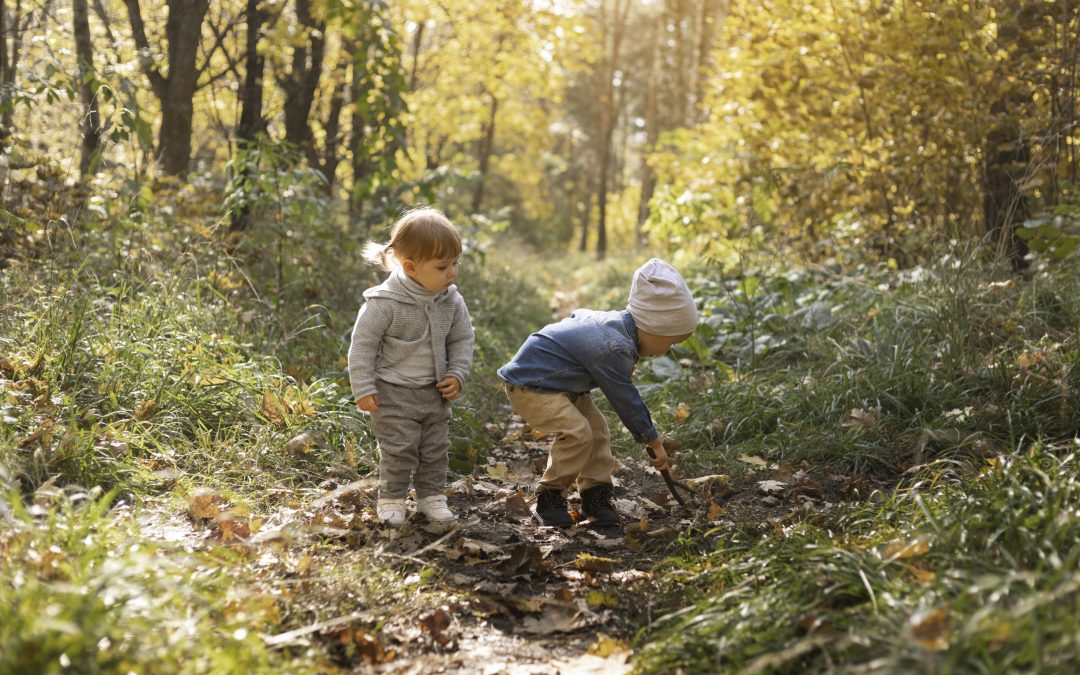
Imagine your child pausing mid-step to inspect a trail of ants or quietly observing a frog at the water’s edge. These simple moments often spark the biggest memories. Family hikes and nature walks kids will love nearby aren’t about grand destinations—they’re about reachable places that bring kids closer to nature and closer to you.
When trails are easily accessible and thoughtfully chosen, they become part of your routine. They offer a natural pause in an otherwise scheduled life. You don’t need to drive hours or plan months ahead. Some of the most meaningful outdoor experiences for children happen in the woods just outside town.
Why Staying Close to Home Makes a Difference
Local trails are often overlooked, but they’re a cornerstone for building a family’s outdoor rhythm. A short drive means less preparation and more time on the trail. Familiar places allow kids to notice seasonal changes, recognize birdsongs, and build confidence in natural surroundings.
Neighborhood nature preserves like Serenity Ridge offer families the chance to build routines. Children often thrive on repetition and familiarity, and walking the same trail in spring and again in autumn helps them understand nature as something that evolves—something alive and connected to time.
What Makes a Trail Kid-Friendly
A trail that’s suitable for children isn’t necessarily about simplicity—it’s about design that meets them at their developmental level. Here are the key features families look for:
-
Trails under two miles, ideally in loops to reduce backtracking
-
Clearly marked paths with little risk of getting lost
-
Natural variety: bridges, creeks, logs to balance on, rocks to climb on
-
Safe terrain with no sudden cliffs or exposed drop-offs
-
Points of interest, such as small meadows or birdwatching spots
Comfort and engagement matter equally. Children are more likely to enjoy hikes when there’s something to do or see every few hundred steps. That might be a squirrel darting across the trail, a patch of wildflowers, or the texture of bark on an old tree.
Practical Examples of Engaging Trail Features
Preserves like Serenity Ridge often design their trails with young hikers in mind. Take Pine Loop, for instance—just under half a mile with a soft dirt path beneath tall pines. Kids are naturally drawn to the echo of footsteps and the way light filters through the canopy.
Other trails include short wooden bridges and low-lying creeks that invite exploration. Without overwhelming distances or difficult elevation, kids can focus on the fun of being outdoors. Trails that include elements such as benches, storybook signage, or natural scavenger hunts add an extra layer of interest.
Adapting the Trail Experience by Age
Each age group experiences trail hiking differently, so flexibility is key.
Toddlers
- Opt for flat, short loops with wide paths
- Use child carriers when necessary
- Let them stop frequently to touch, collect, and ask questions
Preschoolers
- Introduce structured activities like finding shapes in nature
- Let them choose the path at intersections
- Create mini-missions (e.g., find three types of leaves)
School-Age Children
- Encourage map reading or bird identification apps
- Offer leadership roles like “trail guide” or “water break captain”
- Include moderate challenges such as stepping stones or small inclines
Tweens
- Involve them in planning the hike
- Add exploration layers through apps like iNaturalist
- Provide space to walk independently or take photos
Why Sensory Features Keep Kids Engaged
Trails that touch multiple senses hold a child’s attention longer. Consider how children experience a walk through:
-
The sound of water bubbling through rocks
-
The smell of damp earth after rain
-
The feel of moss under their hands
In some preserves, interpretive signage asks questions like “What could live under this log?” or “Why is this leaf shaped this way?” That makes the walk feel like a conversation with nature—not just a stroll.
Sensory trails—paths designed to emphasize textures, sounds, and smells—are especially valuable for neurodiverse children or younger hikers who process the world through touch and sound.
Making Nature Accessible Year-Round
Every season brings a different invitation. Nearby trails don’t need to shut down when temperatures change. Instead, they shift in character.
-
Spring brings salamander sightings and fresh green buds
-
Summer offers early-morning shade walks and cool creeks
-
Autumn becomes a leaf kaleidoscope with crunchy paths
-
Winter, even when snowy, reveals animal tracks and quiet solitude
With appropriate clothing and realistic expectations, short trails become four-season classrooms. Children learn not just about nature, but about resilience and observation.
Including All Families Through Thoughtful Design
Accessibility isn’t one-size-fits-all. Family trails must be inclusive of different physical and sensory needs. Key design choices that matter include:
-
Smooth, wide paths for strollers or wheelchairs
-
Quiet trails set back from roads for sensory-sensitive visitors
-
Clear signage in multiple languages to welcome broader communities
Preserves like Serenity Ridge recognize that inclusivity begins long before anyone sets foot on the trail—it starts with planning that assumes diverse needs.
Create Traditions That Make Kids Ask for More
Rituals are the backbone of lasting memories. Try incorporating:
-
A silly song at the trailhead
-
“Trail names” kids get to choose for themselves
-
A post-hike treat or drawing of what they saw
When a walk becomes more than exercise—when it becomes a story—children are far more likely to want to return. These traditions may be the reason your child asks to go for a hike on their own one day.
Let Curiosity Take the Lead
One of the most powerful shifts a parent can make is letting a child lead the pace and direction (when safe). This builds decision-making and boosts confidence.
If your child decides a mossy stump is more interesting than the final viewpoint, that’s not a distraction—it’s success. You’ve helped them notice and value their surroundings.
Even short trails can stretch long when kids are invited to ask questions, touch textures, or pretend they’re explorers or forest guardians. That shift—from destination to experience—makes all the difference.
Conclusion: Nature Is Nearby for a Reason
You don’t need a mountaintop or a guidebook to have a beautiful family hike. The best family hikes and nature walks kids will love nearby are the ones you can return to regularly. They’re local, simple, and rich in possibility. And they show children, again and again, that wonder can start just a few steps from home.
From pine loops to creek crossings, every trail walked together builds a shared story—one rooted in curiosity, observation, and love for the living world around us.