
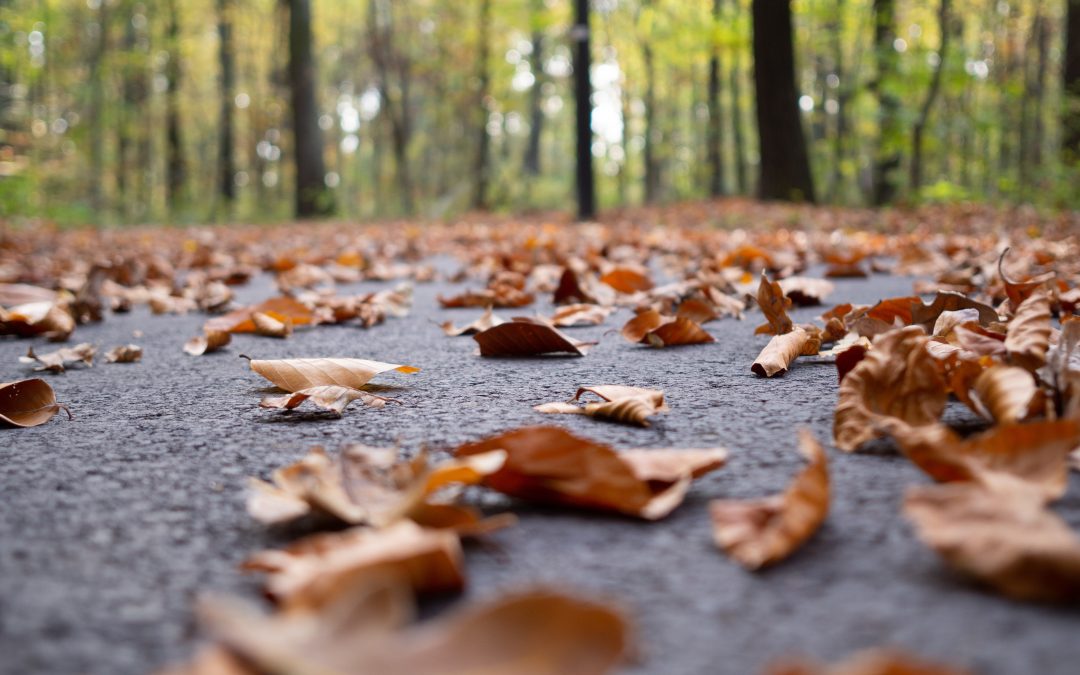
There’s a quiet strength in walking among the native trees of Serenity Ridge Arboretum. Oaks stretch their limbs across ridges, hickories rise with textured bark, and maples shift the forest palette with each season. These trees anchor the preserve, shaping the land while providing food, shelter, and stability for countless species. Meeting native trees growing across Serenity Ridge Arboretum offers more than identification—it’s a chance to witness how a living forest sustains itself through cycles of change.
The Living Role of Native Trees
Native trees form the foundation of the arboretum’s ecosystem. They are not simply a backdrop to the trails but an active force in maintaining balance.
-
Soil stability: Roots bind the ground, protecting slopes from erosion.
-
Wildlife support: Birds, insects, and mammals depend on their seeds, bark, and foliage.
-
Seasonal shade: Broad canopies regulate ground temperature and light.
-
Nutrient cycling: Leaves enrich the soil as they break down.
Because they evolved here, these trees sustain more species than imported varieties ever could. Their role is irreplaceable.
Oaks: Timekeepers of the Arboretum
White and red oaks dominate much of Serenity Ridge. Their branches spread wide, forming expansive crowns that have shaded the land for generations. Some trees exceed a century in age, offering a sense of continuity that few living things can match.
Ecologically, oaks are unmatched:
-
Acorns feed deer, turkeys, squirrels, and chipmunks.
-
Leaves host hundreds of caterpillar species, providing food for songbirds.
-
Cavities in old trunks shelter owls, raccoons, and bats.
Walking beneath these giants, visitors feel a perspective shift—time seems measured not by clocks, but by growth rings.
Maples: Carriers of Light and Color
Maples shape the rhythm of the arboretum year-round. In spring, their blossoms feed early pollinators. Through summer, their shade cools the trails. In autumn, sugar and red maples transform the ridges into waves of scarlet, orange, and gold.
Their seeds, known as samaras, are both a food source for small mammals and a promise of the next generation. Children often delight in watching them spiral to the ground, unaware they’re witnessing one of nature’s cleverest dispersal systems.
Maples provide beauty, yes, but also resilience. Their adaptability allows them to thrive across slopes and valleys, creating continuity in the forest landscape.
Hickories: Seasonal Providers
The tall, textured trunks of shagbark and pignut hickories make them easy to recognize. Their ecological role is just as distinct.
-
Food supply: Nuts rich in protein and fat sustain squirrels through harsh winters.
-
Wildlife attraction: Turkeys and wood ducks rely on fallen nuts, while bears take advantage of larger crops.
-
Habitat: Loose bark offers roosting spots for bats and insects.
Their seasonal bounty makes hickories essential for survival across the food web. In autumn, the ground beneath them becomes a busy hub of activity as wildlife competes for the harvest.
Beeches and Their Shimmering Winter Leaves
American beeches bring a unique elegance to Serenity Ridge. Smooth gray bark contrasts sharply with surrounding species, and their leaves often remain into winter, rustling copper against the snow.
Beech nuts are small but calorie-dense, providing fuel for blue jays, chipmunks, and other wildlife. Their broad canopies create shaded spaces where understory plants grow sparingly, adding variation to the forest structure.
For many visitors, beech groves evoke a sense of calm. Even in winter, their lingering leaves catch the light, creating a subtle glow in otherwise bare woods.
Evergreens: The Ridge’s Winter Guardians
Eastern hemlocks and white pines are the year-round sentinels of the arboretum. While hardwoods shed their leaves, these evergreens remain green against the gray of winter.
-
Hemlocks cool streams with their shade, protecting aquatic life from rising temperatures.
-
White pines host hawks and owls in their tallest branches.
-
Dense foliage shelters rabbits, foxes, and smaller birds during storms.
Their endurance through the cold season makes them vital for wildlife survival. For visitors, evergreens provide a steady reminder of life when much of the forest rests.
Wildlife and Trees: A Mutual Relationship
The partnership between native trees and wildlife at Serenity Ridge is constant. Oaks alone support more than 500 species of caterpillars, fueling birds that migrate thousands of miles. Hickories drop nuts that sustain mammals through lean months. Evergreens provide nesting space when deciduous branches are bare.
This relationship is not one-sided. Birds disperse seeds, squirrels bury acorns that sprout into new trees, and insects pollinate blossoms. The arboretum thrives because these connections remain intact.
Walking the Trails Across the Seasons
No two visits to the arboretum feel the same. Seasonal changes transform familiar trails into new experiences:
-
Spring: Wildflowers push through leaf litter, and trees burst into fresh growth.
-
Summer: Dense canopies turn paths into cool, shaded tunnels alive with bird calls.
-
Autumn: Maples ignite the ridges in waves of fiery color, a highlight for many visitors.
-
Winter: Beech leaves shimmer in muted copper while evergreens guard against the starkness of snow.
These rhythms give the arboretum its living character. Returning across seasons deepens the connection, revealing patterns only time can show.
Why Native Trees Matter to Serenity Ridge
Conservation at Serenity Ridge focuses on maintaining this native framework. Every species plays a role:
-
Oaks provide unmatched food and shelter.
-
Maples bring seasonal variation and stability.
-
Hickories supply critical nutrition.
-
Beeches and evergreens offer structure and resilience.
Together, they form the ecological backbone of the preserve. Protecting them is not just about preserving scenery—it safeguards biodiversity and keeps the ridge’s living heritage intact.
Conclusion
Meeting native trees growing across Serenity Ridge Arboretum introduces visitors to more than species lists. Oaks, maples, hickories, beeches, and evergreens create a living community where each tree contributes to the whole. Walking the trails becomes a dialogue with time, change, and resilience. For those who pause beneath the canopy, the experience is a reminder of how deeply life depends on these trees, and how much they depend on thoughtful preservation.