
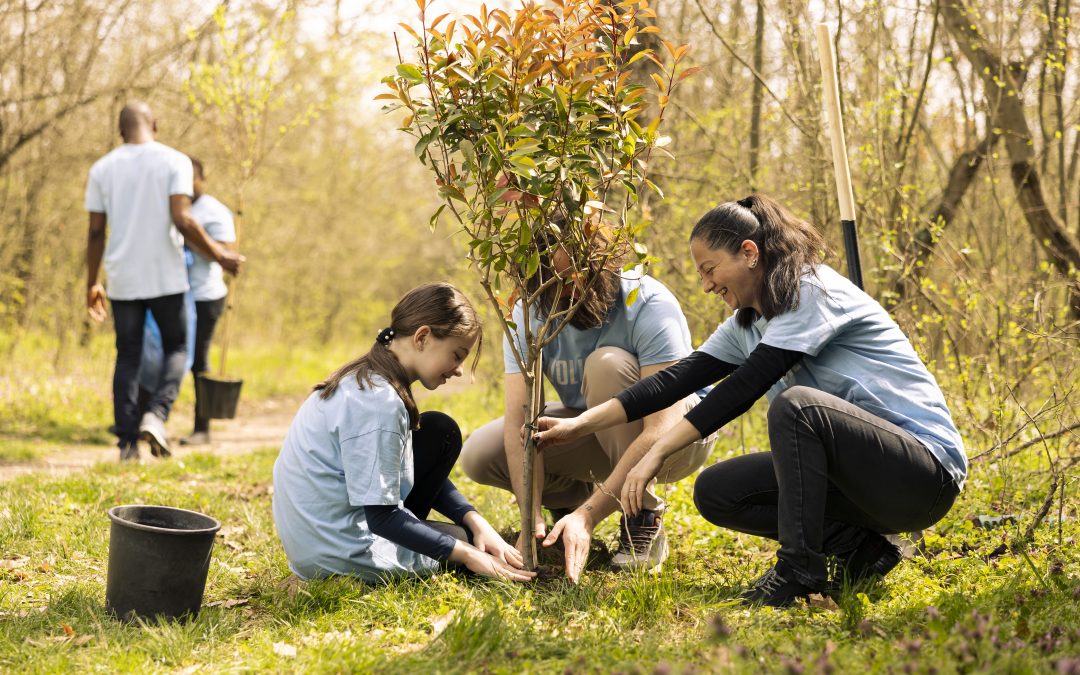
A great blue heron rises from the marsh, wings catching the early light. Along a nearby trail, volunteers work steadily—clipping back invasive brush, marking spots for native plantings, and noting wildlife sightings. Choosing to volunteer at Serenity Ridge to support conservation means contributing directly to the health of this protected land, helping it remain a haven for both species and people who value the natural world.
A Place Where Every Hour Matters
At Serenity Ridge Nature Preserve, the work of volunteers is visible across the landscape. Each task—whether small or large—strengthens the ecosystems that define the preserve. Examples include:
-
Removing invasive plants that crowd out native wildflowers and trees
-
Repairing washed-out trails so visitors can safely access the preserve year-round
-
Collecting seeds from thriving native plants to use in restoration projects
While staff manage essential operations, volunteer teams extend the reach of the preserve’s efforts. After a late-summer storm last year, for instance, volunteers cleared fallen limbs from a section of trail critical to a migratory bird corridor. The quick response allowed the area to remain open and undisturbed during peak nesting season.
Building a Connection with the Land
Spending time at the preserve changes the way volunteers experience it. Instead of walking a trail without a second thought, they notice details—subtle signs of ecological health or stress.
Volunteers often observe:
-
Seasonal wildflower blooms and their variations from year to year
-
The return of migratory birds to specific nesting spots
-
Water level shifts in wetlands after heavy rainfall and their effect on aquatic life
These observations serve a practical purpose. They feed into ongoing data collection efforts, providing valuable information that supports long-term habitat management plans. For example, early blooming in certain plants may indicate climate-related shifts in the region.
Roles that Create Lasting Impact
Opportunities at Serenity Ridge are diverse and tailored to different skills and interests:
-
Habitat Restoration – Removing invasive species, planting native vegetation, stabilizing stream banks.
-
Wildlife Monitoring – Tracking pollinator activity, recording bird populations, and mapping rare plant sightings.
-
Community Engagement – Greeting visitors, leading guided walks, and helping with seasonal educational programs.
The effects of these roles extend well beyond the immediate tasks. Restored meadows attract more pollinators, wildlife surveys strengthen grant proposals, and guided walks help visitors form a personal connection to conservation work.
Training and Guidance for Every Volunteer
Experience in conservation isn’t required to get started. Training programs prepare volunteers for their chosen role and may include:
-
Identifying invasive plants at various stages of growth
-
Using tools safely and effectively in outdoor settings
-
Following best practices for protecting sensitive habitats
Once on the job, volunteers work alongside experienced members and staff who offer support and advice. This guidance helps maintain high standards for both safety and ecological care.
Beyond the Preserve: The Ripple Effect
The work at Serenity Ridge benefits more than the land within its boundaries. Positive effects ripple outward:
-
Pollinator-rich habitats improve conditions for nearby agricultural fields
-
Clean streams and wetlands support aquatic species downstream
-
Students who participate in educational programs develop an early awareness of environmental stewardship
Each project contributes to a network of conservation outcomes that influence the wider region.
A Volunteer Community with Purpose
The volunteer base includes students, retirees, and local residents with varied professional backgrounds. Over time, working together fosters trust, teamwork, and shared knowledge. This sense of belonging strengthens commitment, encouraging people to return season after season.
Long-term volunteers bring valuable continuity. They know the terrain, seasonal cycles, and recurring challenges. Their insights help refine future projects, making each year’s work more effective.
How to Take the First Step
Getting involved starts with reaching out to the preserve. Opportunities vary with the seasons:
-
Spring – Planting projects, habitat restoration, and trail clearing.
-
Summer – Visitor outreach, pollinator monitoring, and maintaining public areas.
-
Autumn – Seed collection, habitat preparation for winter, and trail maintenance.
After signing up, new volunteers receive a schedule, role-specific guidance, and any necessary tools. From the first day, they contribute to a collaborative effort aimed at protecting a space where wildlife and people can thrive together.