
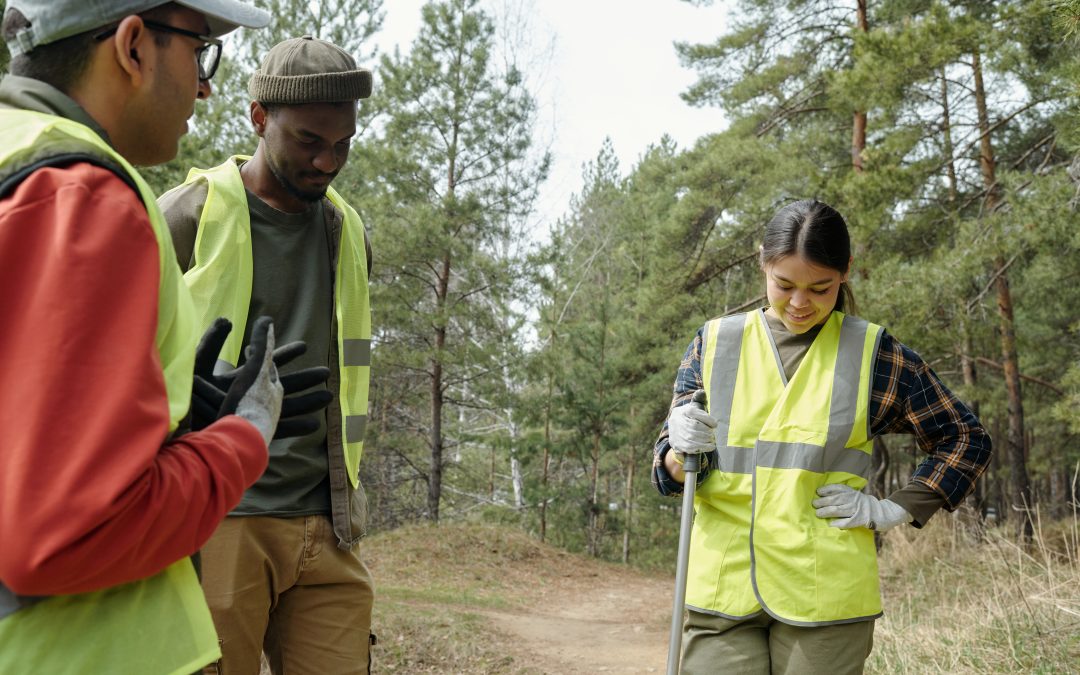
When a tract of land is permanently protected, we witness a deeper shift in purpose and value, and that is exactly what it means when land is set aside forever as wild space. The idea of preserving land for its own sake is simple to embrace, yet making that preservation enduring and meaningful takes intention, planning, and continuous care. A protected landscape becomes more than the absence of development—it becomes a living legacy.
Why the Promise of Wild Space Still Holds Weight
Leaving land untouched is not just romantic. It delivers measurable benefits for nature, communities, and the wider region. According to the U.S. Forest Service, natural open‑space lands provide clean water, natural flood control, wildlife habitat, recreation, and relaxation. For example, forest and grassland lands managed by that agency supply drinking water to more than 60 million Americans in some 3,400 communities.
When Wild Land Serves as Nature’s Infrastructure
Think of preserved wild land as part of our infrastructure. It filters and stores water, prevents erosion, moderates flooding, and sequesters carbon. A study by the U.S. Forest Service reported that around 6,000 acres of open space are lost every day in the United States. In one case, protecting forested land in the Delaware River watershed improved downstream water quality for urban communities, reducing treatment costs. When land is set aside forever as wild space, we are investing in that long‑term stability.
How Does “Forever” Actually Get Defined and Enforced?
What Legal Mechanisms Protect Land Permanently?
One of the most reliable tools is a conservation easement. This is a legally binding agreement that restricts development rights while the land remains in private ownership or under nonprofit stewardship. The rights given up—such as subdivision or mining—are recorded with the deed and bind future owners as well.
Public agencies or nonprofit land trusts may also hold land outright, dedicating it to protection in perpetuity. That clearly defines the landscape’s purpose as wild rather than developed.
What Makes Some Protections Stronger Than Others?
Not all protections are created equal. Some zoning laws can change, and some public lands, despite being “protected,” still permit logging or mining. Only when protections include an enforceable easement, a management body poised to act, and financial support for stewardship does the “forever” label truly hold meaning. The Forest Service warns that development near open spaces weakens their ability to deliver services and raises fire and invasive‑species risk.
How Things Play Out On The Ground
What Happens After Legal Protection?
Protection is not an endpoint—it’s a launch point. Once land is reserved as wild, new work begins. Staff monitor ecological conditions, remove invasive species, restore native plant communities, map wildlife movement, and maintain trails. For example, within the Adirondack Park, although land is legally classified as “Forever Wild,” state teams still patrol and repair infrastructure to maintain ecological and visitor integrity.
How Do People Fit Into Wild Spaces?
Wild spaces don’t always exclude human presence. Many allow low‑impact visitor access: quiet trails, bird‑watching paths, educational walks. The key lies in balancing use and protection. For instance, even light trail activity can shift wildlife behavior unless carefully designed. When land is set aside forever as wild space, it is not merely closed off—it is managed thoughtfully so that people and nature co‑exist.
What Hidden Risks Must Be Guarded Against?
How Can Permanently Protected Land Still Fail?
Legal status is essential, but insufficient by itself. Major challenges include:
- Habitat fragmentation. Breaking large areas into disconnected pieces reduces ecological resilience.
- Invasive species. Native systems can collapse when alien species invade unmanaged land.
- Funding and stewardship deficits. A signed document without follow‑through becomes vulnerable.
- Climate shifts. Even properly protected land may face drought, species migration, or fire.
Healthy watersheds reduce infrastructure and flood costs. Yet when development encroaches, those benefits decline.
Why Ongoing Stewardship Must Be Built In
“Forever” implies time and care, not just paperwork. Effective protection will include:
-
A financial endowment or reliable funding stream to support operations and monitoring.
-
A governance body—such as a land trust or agency—with authority and a clear mission.
-
Ecological baseline data and periodic reassessment to detect change.
-
Community engagement so the protected land stays valued and supported over time.
Absent these elements, land may be “protected” only on paper—not in effect.
What It Means For Us and For the Future
Why This Matters Beyond the Boundaries
When land is set aside forever as wild space, it becomes part of a larger connection—in time, across generations, between human and non‑human life. It gives species refuge, allows natural water systems to function, and provides places of quiet and solace. For communities, it becomes intangible infrastructure: stability, identity, ecosystem integrity.
You Can Make a Difference
To set land aside forever as wild space is to make a statement about who we are and what we value. It says we are willing to act with restraint so that something larger can endure. It says we understand that not all value can be measured in dollars or seen in quarterly gains.
This kind of protection invites us to think long. To imagine children we’ll never meet walking the same trails. To trust that forests can outlast our noise, if we let them. It asks us to believe that leaving something untouched can be its own form of generosity.
Every acre set aside is an act of care. Not just for nature, but for the story we want to tell about how humans belong on this planet.
Frequently Asked Questions
What is the difference between a preserve and land that is simply undeveloped?
A preserve is land actively managed for conservation and often backed by legal protections. “Undeveloped” may mean nothing has yet been built, but future change is possible.
Can protected land ever be developed?
Only if the protections are weak, reversed, or unenforced. Robust conservation agreements and dedicated governance make reversal extremely rare.
Does land that is set aside require human intervention?
Yes. Even untouched land faces threats from invasive species, climate change, illegal activities, or fragmentation. Active stewardship remains required.
How large does land need to be to serve as wild space?
There is no fixed minimum size. What matters is ecological connectivity, functioning systems, sound protection, and management. Small parcels can matter when managed well.
Is visiting preserved wild land harmful?
Not inherently. When access is thoughtfully designed and visitor impact managed, visitation can enhance community appreciation. Poor planning and unmanaged use, however, can degrade ecosystems.