
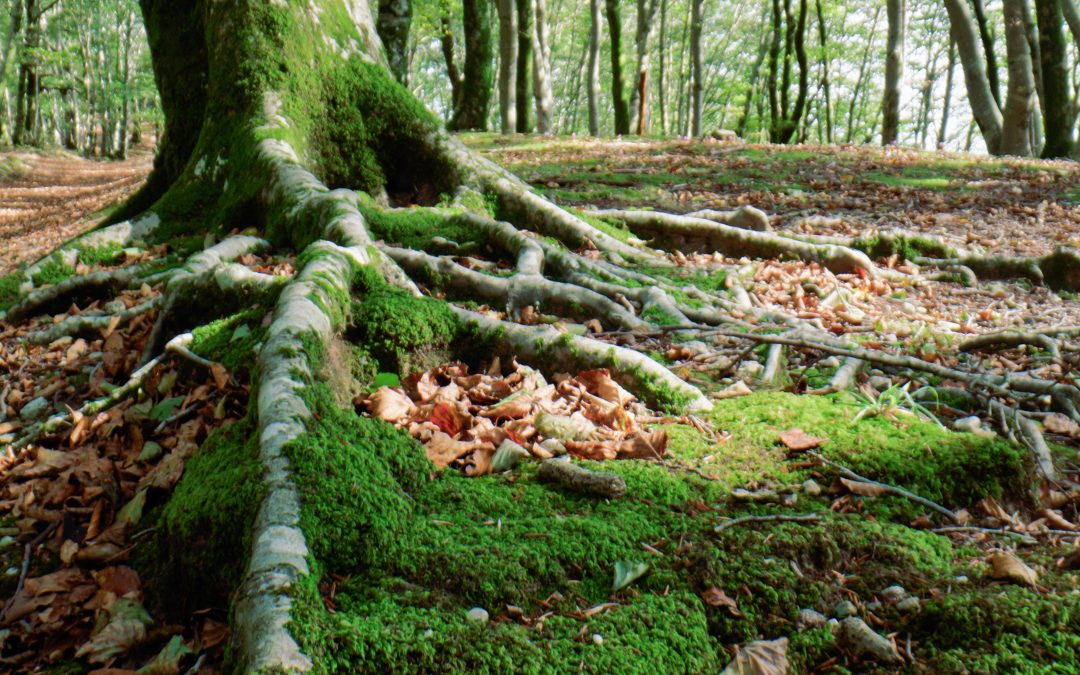
Forests in Maryland are more than scenic backdrops for weekend walks. When forest conservation grounds support biodiversity in Maryland, they become critical habitats for native species, stabilize ecosystems, and connect human wellbeing with nature. Many people assume that protecting woodland simply means “no trees cut,” but preserved forests serve deeper purposes—and today we’ll examine how they deliver on those promises.
Forest Conservation in Maryland Means More Than Preserving Trees
What qualifies as conservation woodland
In Maryland, the phrase covers sites where legal or civic protections ensure that forestry, wildlife habitat, and ecological processes remain intact. That includes land held by non‑profit nature preserves, easements on private property, and state forests managed under conservation principles. These areas provide a stable home for trees, understory plants, fungi, and wildlife rather than being carved up or degraded.
Legal and planning frameworks
The Forest Conservation Act (FCA) of 1991 set a milestone by integrating forest protection into land‑planning stages. For example, any development disturbing at least one acre must submit a Forest Stand Delineation and a Forest Conservation Plan for approval. With forests covering about 39 % of the state’s land area, these protections matter a great deal for Maryland’s ecology.
The role of dedicated land stewards
Organizations like Serenity Ridge Nature Preserve play a crucial role by managing land with the goal of biodiversity support rather than mere preservation. Their work links forest fragments, tracks habitat health, and maintains corridors where wildlife move freely.
Why Biodiversity Needs These Spaces to Survive
Native species and habitat dependency
Maryland’s forests currently cover nearly 2.5 million acres. Yet many native species—including breeding birds, amphibians, and small mammals—depend on contiguous, undisturbed forest blocks. Small, isolated patches often cannot support viable populations over time.
Vertical and horizontal diversity matter
A forest functions like a multi‑storey building. Canopy trees, understory shrubs, groundcover, and soil layers all provide distinct habitat niches. Conservation grounds preserve all these “floors.” Fragmentation begins to remove them one by one.
How fragmentation disrupts life‑cycles
Research shows that although the FCA helped retain forest cover, fragmentation remains a concern. One analysis found that of approximately 315,000 acres of forest under review between 1993 and 2012, roughly 35 % were approved for clearing, while 60 % or more were retained and protected. When forests are cut into pieces, edges increase, microclimates change, and interior‑dwelling species decline.
How Soil and Fungi Underpin the Forest’s Living Web
Underground networks matter profoundly
Much of the forest’s biodiversity lives unseen beneath our feet. Mycorrhizal fungi form networks that link tree roots, carry nutrients and support plant health. When forests remain undisturbed, these networks thrive and support the visible ecosystem.
How life begins in the dirt
Healthy soil holds more organic matter, retains moisture and supports insects, amphibians and tiny mammals. That groundwork supports larger‑scale fauna higher up the food chain. Conservation of forest ground means protecting these invisible systems.
Conservation protects more than trees
For example, along riparian corridors Maryland has planted more than 1,400 acres of buffers since the 1990s to improve water quality and habitat. Maryland Department of Natural Resources These efforts show that protecting forest land safeguards water, soil and biodiversity simultaneously.
How Forest Corridors & Connectivity Bring Wildlife Back
Why linkages matter
Imagine forest fragments as separate islands. A species on one may survive, but migration, gene flow, and long‑term viability suffer. Conservation grounds that connect via corridors or remain adjacent to other protected lands allow species to move, adapt, and persist.
Will wildlife actually return given connectivity?
Yes. While individual metrics vary, linking forest patches facilitates biodiversity recovery. For instance, the state’s Maryland Department of Natural Resources (DNR) uses the Biodiversity Conservation Network (BioNet) tool to map priority habitats and corridors important for species movement.
Buffer zones reduce edge effects
Edge habitats—where forest meets development—often experience higher predation, invasive species, and microclimate shifts. Larger interior blocks of forest reduce those disturbances. Maryland uses criteria for forest‑interior dwelling species that locate habitat at least 300 feet from the forest edge and in blocks of at least 50 acres.
The Rhythm of Seasons and Maryland’s Ecological Timing
How seasonal cycles depend on conserved habitat
Many species in Maryland time their life cycles around forest cues. Early bloomers, migrating birds, amphibians in spring wetlands, insect emergence in summer—all respond to stable forest ground and canopy rhythms. When that habitat is stable and undisturbed, those rhythms remain reliable.
Examples from Maryland
- Pollinators: Native bees and butterflies need a specific sequence of understory plants to bloom so they can feed upon them.
- Amphibians: Species such as spotted salamanders depend on moist leaf litter, cool soils, and undisturbed forest floors to breed.
- Forest‑interior birds: Species like the hooded warbler breed only in large, unfragmented woodlands.
Why dependable habitat matters
Forest conservation grounds in Maryland give species the consistent calendar they need to survive and reproduce. When habitat is fragmented or disturbed, that calendar gets scrambled, and organisms fall behind.
What Happens When We Fail to Protect Forest Biodiversity?
Ecosystem services shrink
When forest cover drops or degrades, we do not just lose trees. We lose services like water filtration, carbon storage, flood mitigation, pollination, and even recreation value. Maryland’s forests absorb about 4.3 million metric tons of carbon dioxide equivalent annually.
Economic and human‑health impacts grow
As biodiversity falls, invasive species spread, ecosystem resilience weakens, and the costs of storm damage, degraded water, and lost recreation rise. For Maryland, where land‑use pressure is strong, these risks grow more serious.
Some losses cannot be reversed
When a habitat or species disappears from a specific forest micro‑habitat, restoration becomes difficult and costly. That is why protecting forest conservation grounds early is far more effective than trying to recover later.
Why Serenity Ridge Nature Preserve Matters for Maryland’s Biodiversity
Prime location within the state’s conservation web
Serenity Ridge Nature Preserve is well placed to function as a node in the larger network of Maryland’s conserved forest land. Its active stewardship helps anchor biodiversity in the region rather than acting as an isolated patch.
Proactive land stewardship in action
Through monitoring invasive species, maintaining understory integrity, and working to link forest patches, the preserve does more than hold land—it nurtures habitat. That elevates its impact beyond acreage alone.
How individuals and communities join the effort
Volunteers planting native species, removing invasive shrubs, and monitoring amphibian wetlands—all contribute. When local people engage the preserve’s perimeter expands biologically and socially.
Frequently Asked Questions
What species rely on conserved forests in Maryland?
Many forest‑interior birds, rare amphibians, and endemic plants depend on contiguous woodland blocks. The DNR’s Biodiversity Conservation Network identifies sensitive habitats for such species.
Can private landowners help preserve forest biodiversity?
Yes. Maryland’s Forest Stewardship Program encourages private landowners to maintain forest land under resource conservation plans and provides technical assistance and incentives.
What difference does forest block size make?
A significant difference. Larger blocks mean less edge influence, more interior habitat, and healthier species populations. Research shows that state programs retained and protected roughly 65 % of the forests existing before development review.
Final Thoughts
Protecting forest conservation grounds in Maryland is not simply about saving trees for future generations. It is about maintaining living systems that give our state depth—from soil microbes to migrating birds, woodlands to streams, and genetic diversity to human heritage. As development pressures grow and climate shifts accelerate, the forests we protect today become the legacies we hand off. Viewing conservation as an ongoing, living relationship rather than a static goal shows why habitats thrive, species persist, and people benefit.