
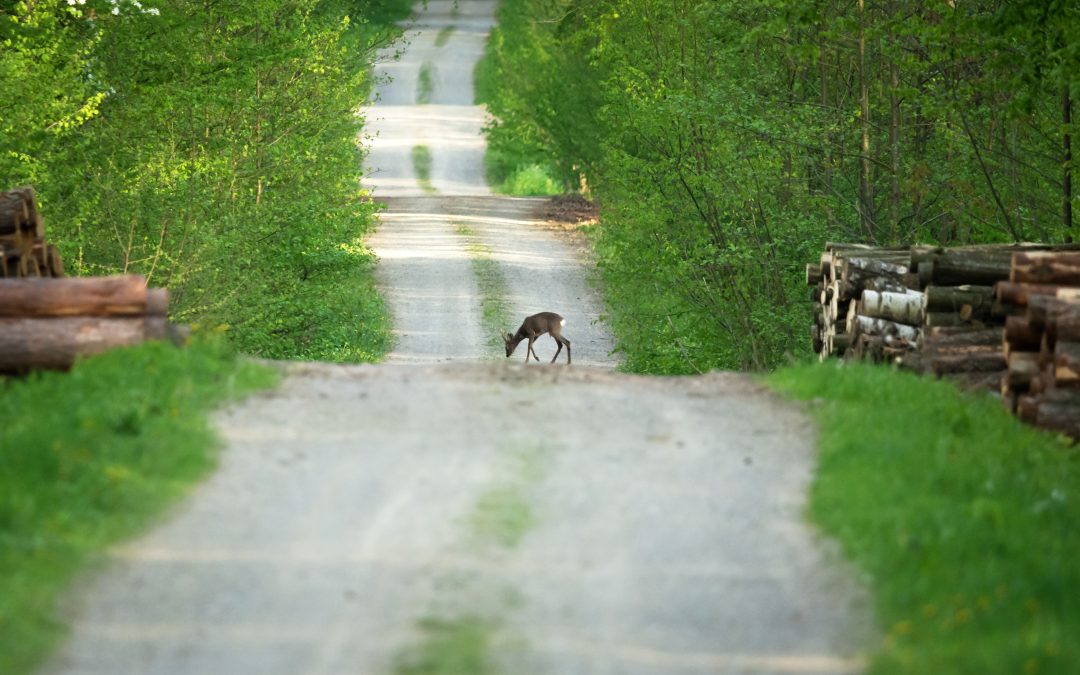
Wildlife in Maryland’s suburbs is living on the edge. The trees are thinner, the nights brighter, and food sources more scattered than they were even a decade ago. Native species haven’t disappeared, but many are quietly struggling to keep up with the pace of human expansion. Supporting urban wildlife through Serenity Ridge initiatives gives those species a fighting chance and brings ecological balance back to our own backyards. This isn’t just about nature—it’s about the quality of life in the places we live.
Common Threats Facing Urban Wildlife
Habitat loss as development expands
Much of Maryland’s once continuous forest, meadow, and wetland has been segmented by roads, neighborhoods, and commercial development. The Maryland Wildlife Action Plan lists habitat fragmentation as one of the greatest threats to wildlife in the state. These changes reduce the space wildlife need to feed, nest, and move safely. (Maryland Department of Natural Resources)
Light, noise, and traffic disrupting behavior
Urban sprawl introduces artificial light and persistent noise into previously quiet zones. These factors disturb nocturnal animals, limit feeding times, and increase stress levels in sensitive species. The U.S. Forest Service confirms that choices about lighting, landscaping, and noise control at the residential level significantly affect local ecosystems. (USDA Forest Service)
Invasive plants and chemicals degrade habitat quality
When native plants are replaced by lawns or exotic ornamentals, and chemicals are applied, the result is less food and shelter for birds and insects. A study in Science of the Total Environment shows that yards planted with native vegetation support more species and better ecosystem health. (ScienceDirect)
What This Means for Maryland’s People and Wildlife
Familiar species are disappearing
In places like Harford County, fewer bees, fireflies, and butterflies are being seen each year. These changes reflect a larger environmental shift. According to research in BioScience, suburban yards can serve as valuable wildlife habitat when managed thoughtfully. (BioScience Journal)
Ecological imbalances are becoming visible
As predator populations drop and green buffers shrink, animals like deer become overpopulated. This can damage vegetation and lead to health risks for humans through increased tick exposure. Loss of balance affects plant growth, bird populations, and even soil health.
The local character of Maryland is changing
Wetlands, woods, and meadows once defined many of Maryland’s suburbs. As these places disappear, so does the rhythm of life that made them special. Restoring habitat protects the natural identity of the region and supports healthier communities.
How Serenity Ridge Responds to These Local Challenges
Native plant habitats are being restored
Serenity Ridge coordinates planting events that remove invasive plants and bring back native species like milkweed, goldenrod, and oak saplings. These efforts rebuild the food web and attract butterflies, bees, and songbirds.
Connected safe zones are being created
Wildlife corridors are important. Serenity Ridge works with neighbors, parks, and schools to link open spaces through gardens, hedgerows, and tree lines. These paths give animals the room they need to survive.
Local residents participate in citizen science
Volunteers track birds, plants, and insects. This information helps researchers and land managers understand trends and improve conservation strategies across the region.
Community events build awareness and action
Guided walks, restoration workdays, and native plant giveaways invite people to learn and participate. These events are accessible to families and help residents see their land in a new way.
How You Can Support These Initiatives
Volunteer with Serenity Ridge
You can help plant native shrubs, remove invasive vines, or assist with wildlife surveys. Events are listed on the Serenity Ridge website and are open to all experience levels.
Rethink how you use your yard
Small changes, like switching to native plants or cutting back on chemical treatments, can improve habitat quality. Less lawn and more wildflowers mean more food and cover for birds and bees.
Use simple tools to log what you see
Apps like iNaturalist let you upload photos and sightings from your backyard. This helps conservationists monitor local trends and track the success of restoration efforts.
Encourage others to join
Share what you’re doing with neighbors or work with a local school to start a wildlife garden. The more people participate, the stronger the regional impact becomes.
What Species Benefit Most from These Efforts
Birds like eastern bluebirds, insects like the rusty patched bumblebee, and mammals, including rabbits and foxes, benefit from restored habitats. The Maryland Department of Natural Resources tracks these species through its list of conservation priorities. (Maryland DNR)
What Happens When You Plant Native Shrubs in Your Yard
Native shrubs support birds and insects by offering food, shelter, and breeding spots. The moment you plant one, you invite life back into the space around you.
Why Wildlife Connectivity Matters in Suburbs
When we connect open spaces, wildlife can move safely. They can find food, mates, and shelter without having to cross dangerous roads or get stuck in isolated patches.
The Big Picture: Resilient Suburbs and Healthier Communities
A single goldenrod or oak tree may seem small. But when hundreds of homes make small changes, the landscape shifts. These green patches manage stormwater, clean the air, and cool the streets during summer. Serenity Ridge makes these connections stronger through its hands-on work. When we support the efforts taking place there, we help both the wildlife and ourselves.
Frequently Asked Questions
What species benefit most from these efforts in Maryland?
When native plants return and green zones connect, pollinators, songbirds, and small mammals thrive. The state monitors these developments through its conservation program.
Can small yards really make a difference?
Yes. Even small patches provide habitat for pollinators, birds, and beneficial insects. When neighborhoods join together, the combined effect is significant.
How do I get involved with Serenity Ridge?
Visit the Serenity Ridge website and check their events page. You’ll find volunteer days, nature walks, and other activities that are welcoming to all.